Look at the whole lunch first
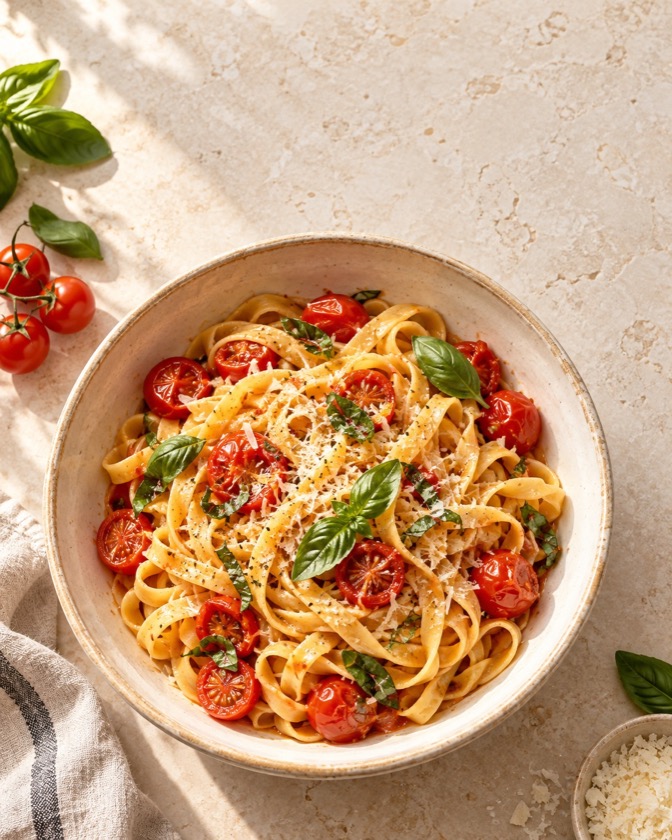
Open the fridge and ask not “How many calories are here?” but “What is already on the plate?” A handy everyday prompt is vegetables, a protein food and a side. It can help you notice when lunch is only rice or only salad. It is a flexible prompt, not a rule or a promise about how any one person will feel.
Choose from what is available
For vegetables, try cucumber, tomato, cabbage, carrot or a frozen mix. Serve them on the side, add them to a warm dish or chop them into a quick salad. There is no need to find a perfect combination: use food you enjoy and already have.
A protein food could be beans, lentils, eggs, fish or poultry. For example, add beans and sliced cucumber to yesterday’s buckwheat. Or serve a boiled egg with potatoes and tomatoes. If one ingredient does not suit you, choose another familiar option.
A side could be rice, buckwheat, potatoes, bread, pasta or another grain. The NHS Eatwell Guide includes starchy foods in a balanced diet; choose wholegrain when it suits you. Ordinary white rice can be part of lunch too.
Put leftovers to use
You do not have to cook three separate dishes. Stir leftover beans into grains, add yesterday’s vegetables to an omelette or sandwich, or rinse tinned pulses and spoon them into a salad. Frozen vegetables can be heated alongside a side. Change the combinations instead of trying to follow a complicated new recipe every day.
A prompt, not a measuring tool
Before you sit down, take a look at the meal as a whole. If you see only a side, consider adding vegetables or a protein food. If you have only salad, decide what would make it a suitable lunch for you. There is no need to measure the parts of the plate or judge yourself by a picture. The NHS says that balance does not have to be achieved at every individual meal; you can consider it across a day or a week.
- Vegetables: fresh, frozen or left over from dinner.
- A protein food: for example, beans, egg, fish or poultry.
- A side: rice, another grain, potatoes, bread or pasta.
 Telegram
 VK
VK MAX
MAX OK
OK Dzen · all topics